
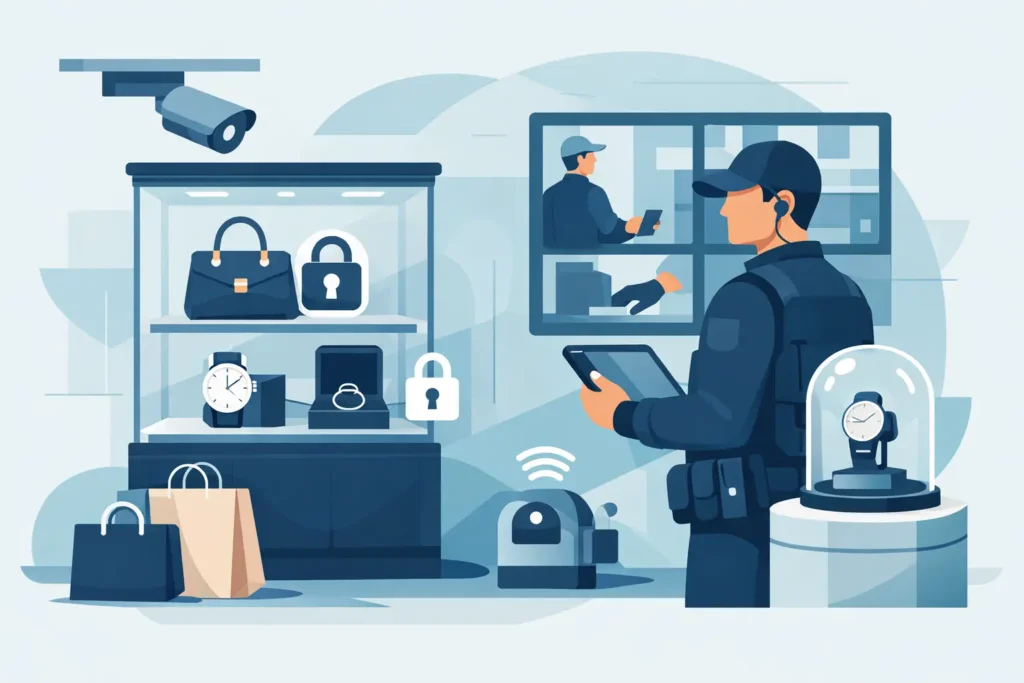
A premium smartphone on an open counter, a designer handbag near the entrance, or a high-end beauty set displayed at eye level can all create the same challenge: how to secure high value merchandise without making it difficult to buy. Retailers need protection that deters theft, supports staff control, and still lets legitimate shoppers see product quality, compare options, and ask for a demonstration.
The right approach is not simply adding more locks. It is building security into the store environment, from fixture selection and product placement to electronic protection and daily operating procedures. For electronics stores, fashion outlets, specialty retailers, and supermarket operators with premium categories, the strongest results come from a layered plan.
Start With a Merchandise Risk Assessment
High value does not always mean high risk. A product can be expensive yet difficult to conceal, while a lower-priced item may be a frequent target because it is small, easy to resell, and displayed in volume. Assess merchandise according to unit cost, size, portability, resale demand, stock availability, and the area where it is sold.
Walk the store as a shopper would. Identify blind spots, low-visibility corners, entrance-adjacent displays, and locations where staff cannot easily see customer activity. Also consider the purchase journey. Products that need consultation, such as phones, watches, cameras, fragrance gift sets, and premium accessories, can often be secured close to a staffed service point without creating friction.
This assessment should influence more than your anti-theft budget. It should determine which products remain accessible, which are kept in controlled displays, and which are represented by a sample or empty package while stock stays in a secure backroom or locked cabinet.
How to Secure High Value Merchandise With the Right Fixtures
Retail fixtures are part of the security system. A standard open shelf may work for boxed accessories with low shrink exposure, but it is rarely the right choice for small, premium, or highly portable goods. The display method should match the item, the expected customer interaction, and the speed of service your store can provide.
Use locked showcases for premium and small items
Glass display cabinets and lockable acrylic cases are effective for jewelry, watches, luxury accessories, collectible products, and small electronics. They provide clear visibility while limiting direct handling. Choose commercial-grade cabinets with durable frames, reliable locks, stable bases, and shelving that presents products at a clean viewing height.
A locked showcase does introduce a trade-off: every product interaction depends on staff availability. In stores where customers expect to browse independently, use the cabinet for core inventory and place product information, display models, or visual samples nearby. This keeps the category approachable rather than turning it into a barrier.
Secure live electronics without hiding the product
For mobile devices, tablets, cameras, headphones, and smart home products, customers often need to touch and test the item before buying. Mechanical tethers, powered security stands, and alarmed display systems allow that interaction while protecting the product from quick removal.
The fixture should be selected for the device type and mounting surface. A phone security stand, for example, should hold the device securely, allow charging where required, and keep cables organized. Poorly managed cords or improvised mounts make a premium display look unreliable and can create opportunities for tampering.
Use controlled-access displays for boxed stock
Locking pegboard hooks, secure shelf cases, and controlled dispensers are useful for boxed electronics accessories, razor blades, premium cosmetics, replacement parts, and other compact items. These systems retain normal shelf visibility but limit how many units a shopper can remove at once.
They work best when the buying process is clear. Shelf labels should show price, specifications, and staff assistance instructions where needed. If customers cannot understand how to obtain the product, they may abandon the purchase or create unnecessary demand on associates.
Combine Physical Security With Electronic Protection
No single device prevents all forms of loss. Physical fixtures control access, while electronic article surveillance provides a visible deterrent and an alert at the exit. The most practical setup depends on the product category, store format, and the number of entrances.
EAS hard tags are generally suited to apparel, handbags, footwear, and reusable packaged goods. Adhesive labels are often better for boxed products, cosmetics, media, and items that cannot accommodate a hard tag. For very high-ticket merchandise, alarmed cables or sensor-based display security may be appropriate alongside EAS protection.
The key is consistency. Tags and labels must be applied correctly, deactivated or removed at checkout, and replenished as inventory is received. A system that is used only on selected shipments or applied inconsistently gives uneven protection and frustrates staff at the point of sale.
Visible security also has a merchandising role. Entrance pedestals, security tags, locked showcases, and organized display stands signal that the store manages premium inventory professionally. The goal is not to make shoppers feel watched. It is to make protection obvious enough that opportunistic theft is less attractive.
Design the Floor Plan Around Visibility
A well-planned retail layout reduces the need for constant intervention. Place high-value categories where associates have natural sightlines from service counters, cash wraps, or consultation desks. Avoid positioning compact premium products on perimeter walls, behind tall fixtures, or in areas blocked by promotional signage.
Sightlines matter at several levels. Staff should see customers approaching, customers should be able to find assistance easily, and cameras should have a clear view of display zones and exits. Mirrors can help improve visibility in constrained spaces, but they are not a substitute for good fixture heights and attentive staffing.
Store traffic also matters. A premium display near the entrance may receive strong exposure, but it may be vulnerable if staff cannot observe it. In a small specialty store, placing high-value merchandise deeper within the sales floor may be sensible. In a large electronics environment, a centrally located demonstration zone with staffed counters may deliver both accessibility and control.
Do not overcrowd secure displays. Dense product arrangements make stock checks harder and can hide gaps until the end of the day. Clear facings, defined product positions, and appropriate shelf merchandising components make it easier for associates to spot missing items quickly.
Build Daily Controls Into Store Operations
Fixtures and anti-theft systems are only effective when staff procedures support them. Employees should know which products require assisted selling, where secured stock is held, how to respond when an alarm activates, and who is authorized to open locked displays.
For high-risk categories, use a clear chain of custody. Record stock received, stock transferred to the sales floor, display units, customer demonstrations, returns, and damaged goods. The process does not need to be slow, but it must be consistent enough to identify discrepancies early.
A practical daily routine should cover four areas:
- Check that locks, tether alarms, EAS pedestals, and powered display stands are functioning before opening.
- Reconcile display quantities and high-value stock at scheduled intervals, not only after closing.
- Keep keys, detachers, and spare security components under controlled staff access.
- Review recurring loss patterns by item, location, time, and display method before changing the layout or fixture plan.
Training should focus on customer service as much as security. A timely greeting, product knowledge, and visible associate presence are effective deterrents while also improving conversion. Staff should approach customers professionally and avoid assumptions. Security procedures must protect merchandise without creating an unwelcoming sales environment.
Match Security Levels to the Product and Store Format
Over-securing every item can reduce sales, slow service, and make a store look defensive. Under-securing premium products can create losses that quickly outweigh the cost of better fixtures and protection. The balance depends on category behavior.
An apparel retailer may use hard tags and staffed fitting-room controls while keeping most merchandise openly accessible. A mobile phone retailer may need alarmed demonstration stands, lockable stock storage, and counter-based handover. A supermarket may reserve locked cases or controlled hooks for selected health, beauty, and premium consumable lines rather than applying security across every aisle.
This is where supplier guidance is valuable. A retail security plan should consider fixture dimensions, product packaging, available power, customer flow, store staffing, and the visual standard of the brand. JS Retail Displays helps commercial buyers coordinate display, merchandising, and security components so protection supports the store rather than appearing added as an afterthought.
Before opening a new store or refitting an existing one, test the customer journey around each high-value category. Can shoppers see the product? Can they understand the offer? Can an associate assist quickly? Can stock be checked and replenished safely? When those answers work together, security becomes a practical part of better retail execution, not an obstacle between the customer and the sale.